
Current Trends in Adaptive Education Technology for Children's Literacy


Introduction to Adaptive Education Technology
In recent years, adaptive education technology has revolutionized the way children learn, particularly in the realm of literacy. These technologies personalize learning experiences, adapting to the unique needs and pace of each student. As a result, children are more engaged and can achieve higher levels of literacy quickly and efficiently.
Personalized Learning Paths
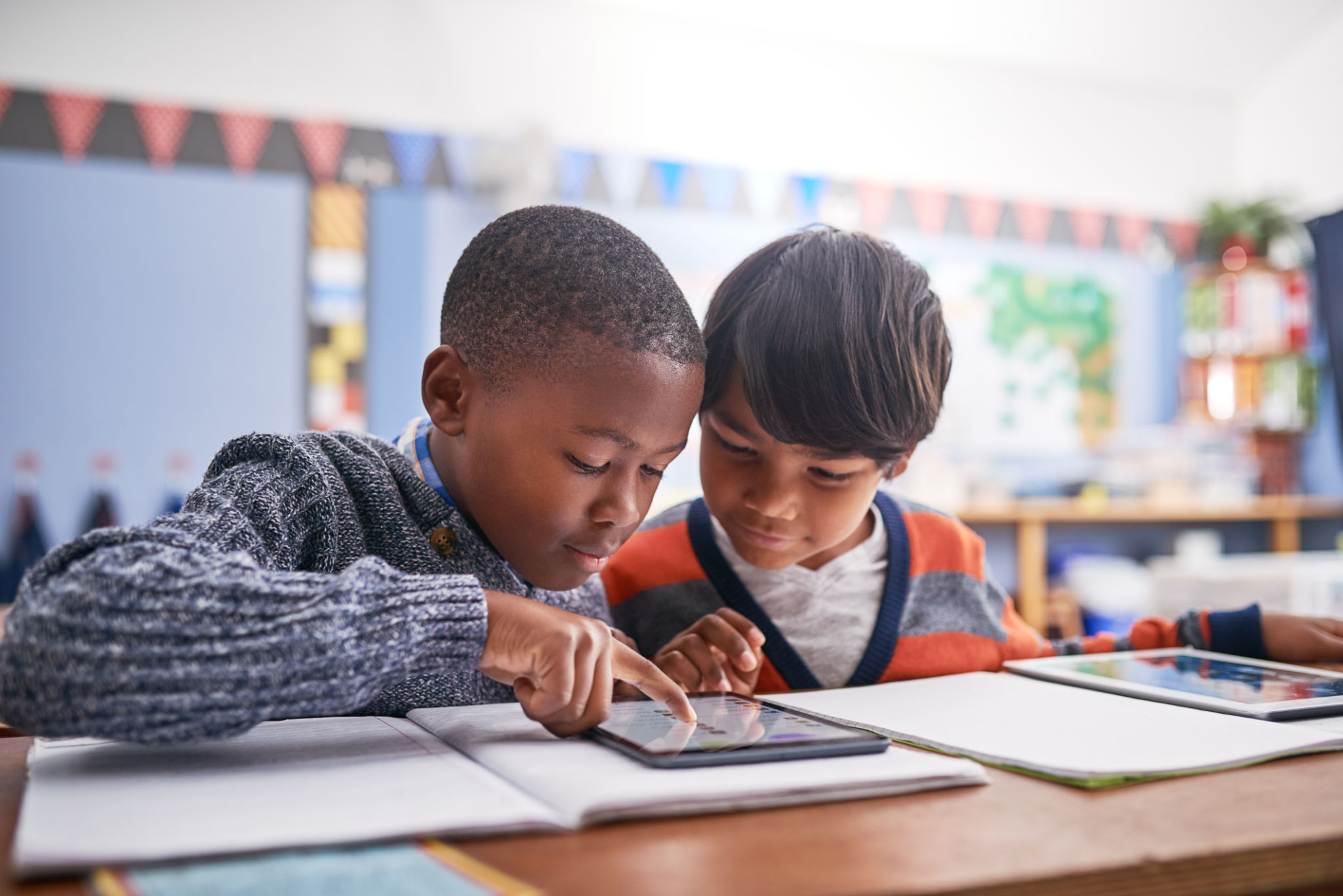
One of the key trends in adaptive education technology is the creation of personalized learning paths. These paths are tailored to each child's strengths and weaknesses, allowing them to focus on areas that need improvement while advancing in areas where they excel. This personalized approach not only boosts confidence but also enhances learning outcomes.
Adaptive systems use algorithms to assess a child's performance in real-time. Based on this assessment, the technology adjusts the difficulty level of tasks, ensuring that students remain challenged but not overwhelmed. This dynamic adjustment is crucial for maintaining engagement and motivation.
Interactive and Engaging Content
Another trend is the incorporation of interactive and engaging content. Modern educational platforms utilize multimedia elements such as videos, animations, and games to make learning fun and stimulating. This interactive approach helps to capture children's attention and encourages active participation in their learning journey.
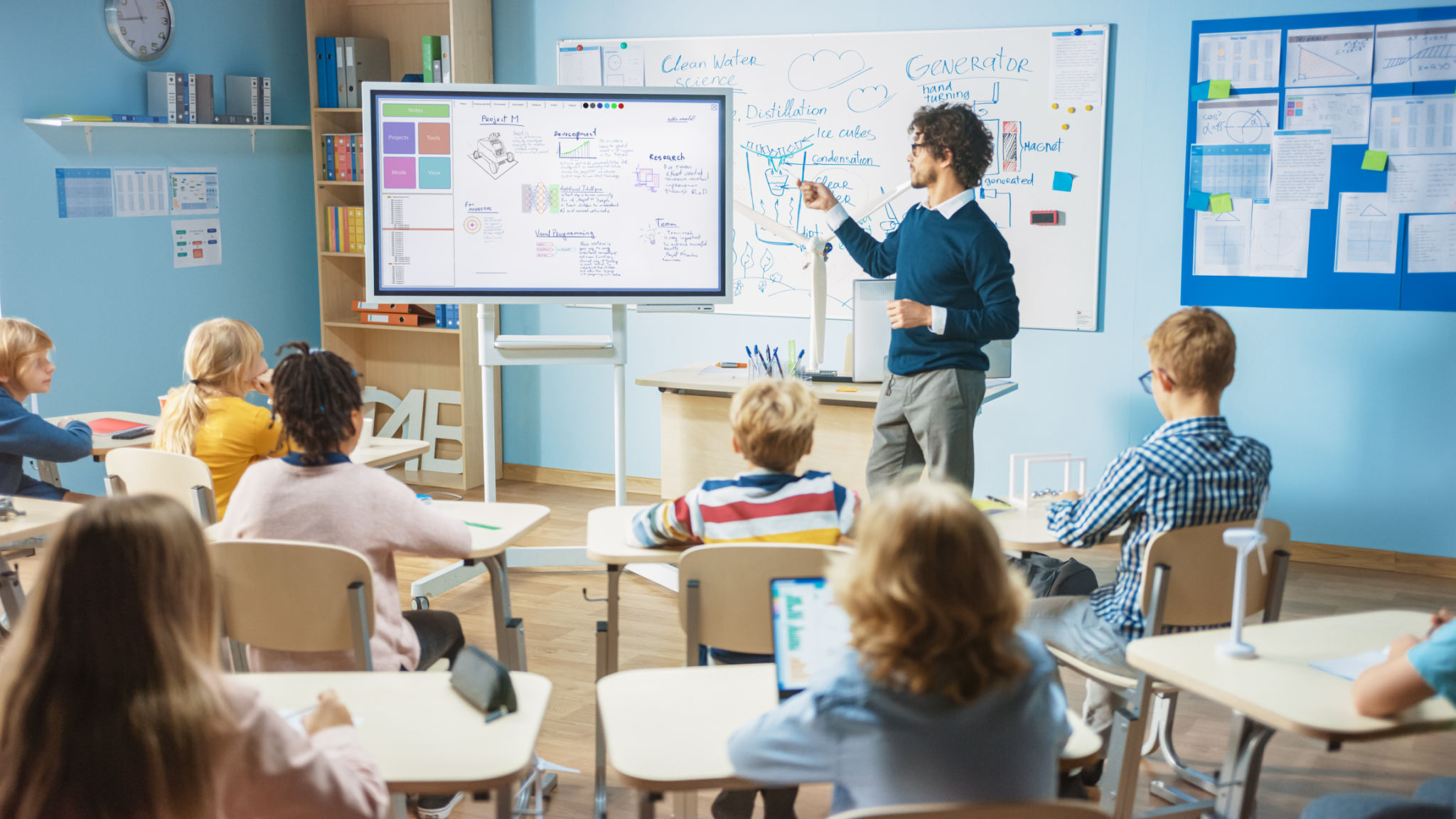
Gamification is a popular technique used to make literacy education more appealing. By incorporating game-like elements such as points, badges, and leaderboards, children are motivated to persist in their studies and achieve their learning goals.
Real-Time Feedback and Assessment
Adaptive education technology provides real-time feedback and assessment, which is crucial for effective learning. Instant feedback allows students to understand their mistakes and learn from them immediately, fostering a growth mindset. This immediate response helps in reinforcing learning concepts and correcting errors on the spot.
- Immediate feedback enhances understanding.
- Real-time assessment allows for on-the-fly adjustments.
- Encourages a proactive approach to learning.

Inclusivity and Accessibility
Adaptive educational tools are increasingly focusing on inclusivity and accessibility. These technologies cater to diverse learning needs, including those of children with disabilities. Features such as text-to-speech, voice recognition, and customizable interfaces ensure that all students have equal access to quality education.
By providing multiple means of engagement, representation, and expression, adaptive technologies support a wide range of learning preferences and needs. This inclusivity is vital for creating an equitable educational environment.
Future Outlook
As technology continues to evolve, the future of adaptive education looks promising. Advances in artificial intelligence and machine learning are likely to further enhance the ability of these tools to provide personalized, effective literacy education. Educators and developers are working collaboratively to create more sophisticated systems that can predict learning outcomes and tailor content more precisely to individual needs.

The integration of virtual and augmented reality could also offer immersive learning experiences that further engage young learners. These technologies have the potential to transform traditional educational settings into dynamic, interactive environments.
Conclusion
Adaptive education technology is reshaping the landscape of children's literacy education. By providing personalized learning experiences, engaging content, and inclusive tools, these technologies are helping students achieve higher literacy levels. As advancements continue, the impact of these tools on education is bound to grow, offering exciting possibilities for the future of learning.